Navigating the Maze: A Comprehensive Guide to UK Business Visa Requirements for 2024

The Evolving Landscape of UK Business Immigration
For many entrepreneurs, executives, and consultants, the United Kingdom remains a premier global hub for trade and innovation. However, since the conclusion of the Brexit transition and subsequent shifts in Home Office policy, the entry requirements for business travelers have become significantly more nuanced. Navigating these regulations is no longer just a matter of booking a flight; it requires a strategic understanding of the specific activities permitted under the various visa tiers.
The United Kingdom does not have a single ‘Business Visa’ in the traditional sense. Instead, most short-term professional needs are met through the Standard Visitor visa, while longer-term engagements fall under the Global Business Mobility routes. This distinction is critical because applying for the wrong category or engaging in ‘work’ while on a ‘visitor’ status can lead to entry refusals and long-term bans that jeopardize corporate interests.


Decoding the Standard Visitor Visa for Business
The Standard Visitor visa has effectively consolidated several previous categories into one streamlined path. For most business travelers, this is the default route for trips lasting up to six months. Despite its name, the ‘visitor’ status allows for a surprisingly wide range of professional activities, provided they do not cross the threshold into ’employment’ within the UK market.
Permitted Activities under the Business Route
Under the current rules, you are allowed to attend meetings, conferences, and seminars. You can also negotiate and sign contracts, participate in trade fairs (provided they are not selling directly to the public), and carry out site visits. For many, the most useful provision is the ability to receive training or provide it to UK-based employees of the same corporate group, as long as it is not for a commercial client.
Furthermore, internal auditors and corporate investigators can carry out specific regulatory tasks on behalf of their foreign employer. The key commonality here is that the individual remains employed and paid by their company outside the UK, and the activities performed are incidental to their overseas role.
Prohibited Actions: Staying Within the Rules
It is equally vital to understand what you cannot do. You cannot take a job with a UK company, nor can you operate as a freelancer within the UK. Filling a vacancy, even on a temporary basis, is strictly forbidden. If your intention is to provide services directly to a UK client—such as an IT consultant fixing a server at a client’s office—you likely need a specific work visa rather than a visitor visa.
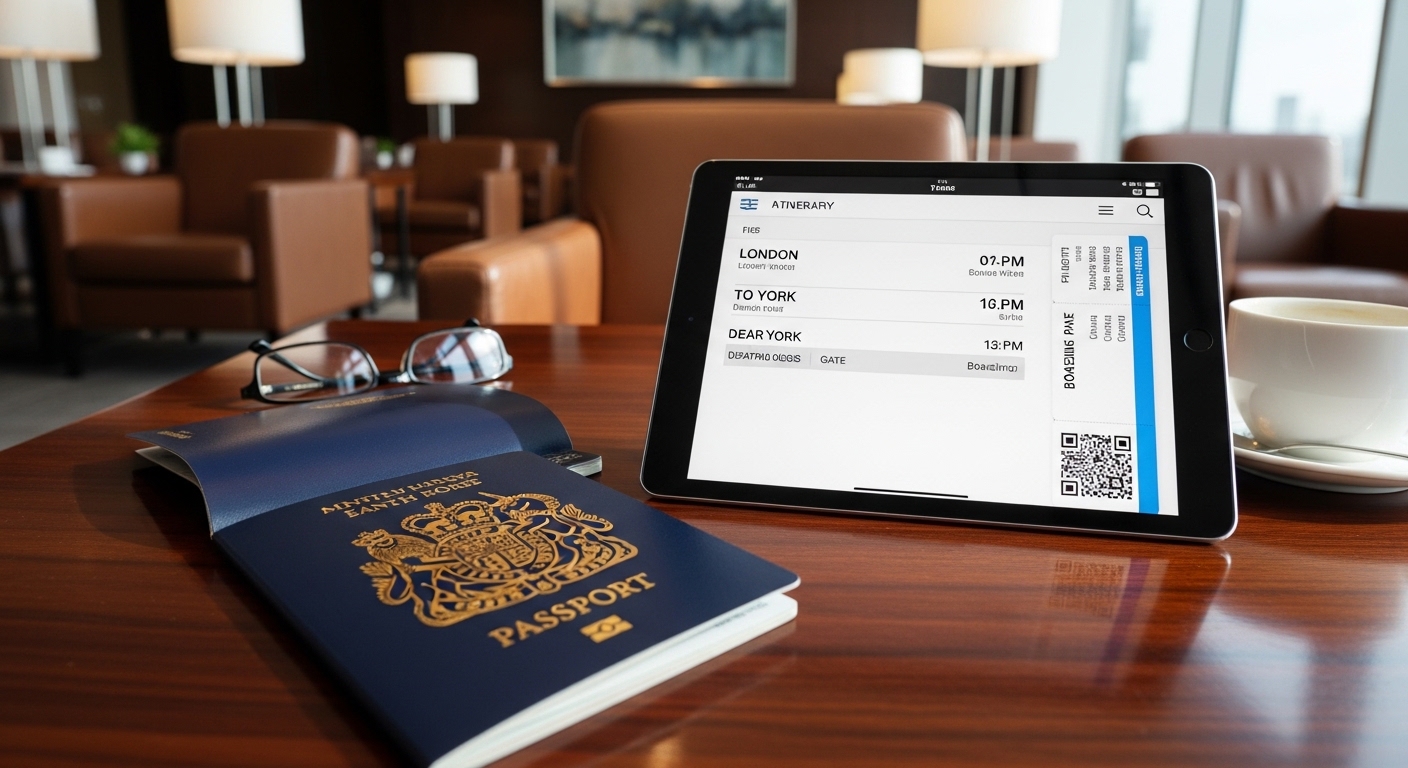
Documentary Evidence: The Foundation of Success
The Home Office operates on a ‘burden of proof’ basis. The onus is entirely on the applicant to demonstrate that they are a ‘genuine visitor.’ This means you must provide evidence that you will leave the UK at the end of your visit and that you have sufficient funds to support yourself without accessing public funds or working.
Financial Suitability and Proof of Funds
Financial requirements are often where many applications falter. It is not enough to show a healthy bank balance; the Home Office looks for the ‘source of funds’ and the ‘economic ties’ to your home country. You should provide at least three to six months of bank statements and payslips. If your employer is covering the costs, a formal letter of sponsorship on company letterhead is indispensable.
This letter must explicitly state the purpose of the trip, the dates of travel, and a guarantee that the company will cover all costs including flights, accommodation, and daily expenses. Discrepancies between your personal income and the stated cost of the trip can often trigger a red flag for entry clearance officers.
The Role of Corporate Sponsorship
While not a formal ‘sponsor’ in the way a Skilled Worker visa requires, the UK-based company you are visiting plays a pivotal role. An invitation letter from the UK host is a cornerstone of the application. This letter should detail the relationship between the two companies, the specific activities you will be performing, and where you will be staying. Precision here is your best defense against administrative scrutiny.

The Application Timeline and Decision Process
For many nationalities, particularly ‘non-visa nationals’ like those from the US, EU, or Australia, these requirements are assessed at the border. However, for ‘visa nationals,’ a formal application must be submitted online, followed by a biometric appointment at a visa application center. The standard processing time is approximately three weeks, though ‘Priority’ and ‘Super Priority’ services are available for an additional fee.
Finally, always ensure that your passport has at least six months of validity remaining from the date of your intended departure. The UK’s border policy is rigorous but predictable. By aligning your documentation perfectly with the Home Office’s guidance, you can ensure that your business trip is defined by its professional success rather than administrative hurdles.