Navigating the Maze: The Absolute Best Expat Bank Accounts in the UK for 2024

So, you’ve finally done it. You’ve packed your bags, survived the visa paperwork nightmare, and landed in the land of tea, drizzle, and confusingly named roundabouts. Welcome to the UK! But before you can start tucking into a Sunday roast or complaining about the Southern Rail, there’s one giant hurdle you need to clear: opening a bank account.
Historically, opening a UK bank account as an expat was about as fun as a root canal. You’d walk into a high-street branch, and they’d ask for a ‘Proof of Address’—usually a utility bill in your name. But to get a flat (and thus a utility bill), you often need a bank account. It’s the ultimate British ‘Catch-22’. Thankfully, the times they are a-changin’. Between digital-first ‘challenger’ banks and international-friendly giants, your options are better than ever. Let’s dive into the best expat bank accounts in the UK.

1. The Digital Kings: Starling Bank & Monzo
If you want a bank account faster than you can say ‘Fish and Chips’, digital banks are your best friend.
Starling Bank is frequently voted the best bank in the UK for a reason. They are a fully licensed bank, meaning your money is protected up to £85,000 by the FSCS (Financial Services Compensation Scheme). For expats, the best part is the application process. You do it entirely on your phone. You’ll need your passport/BRP and a UK address, but they are often much more lenient with the documentation than the old-school banks.
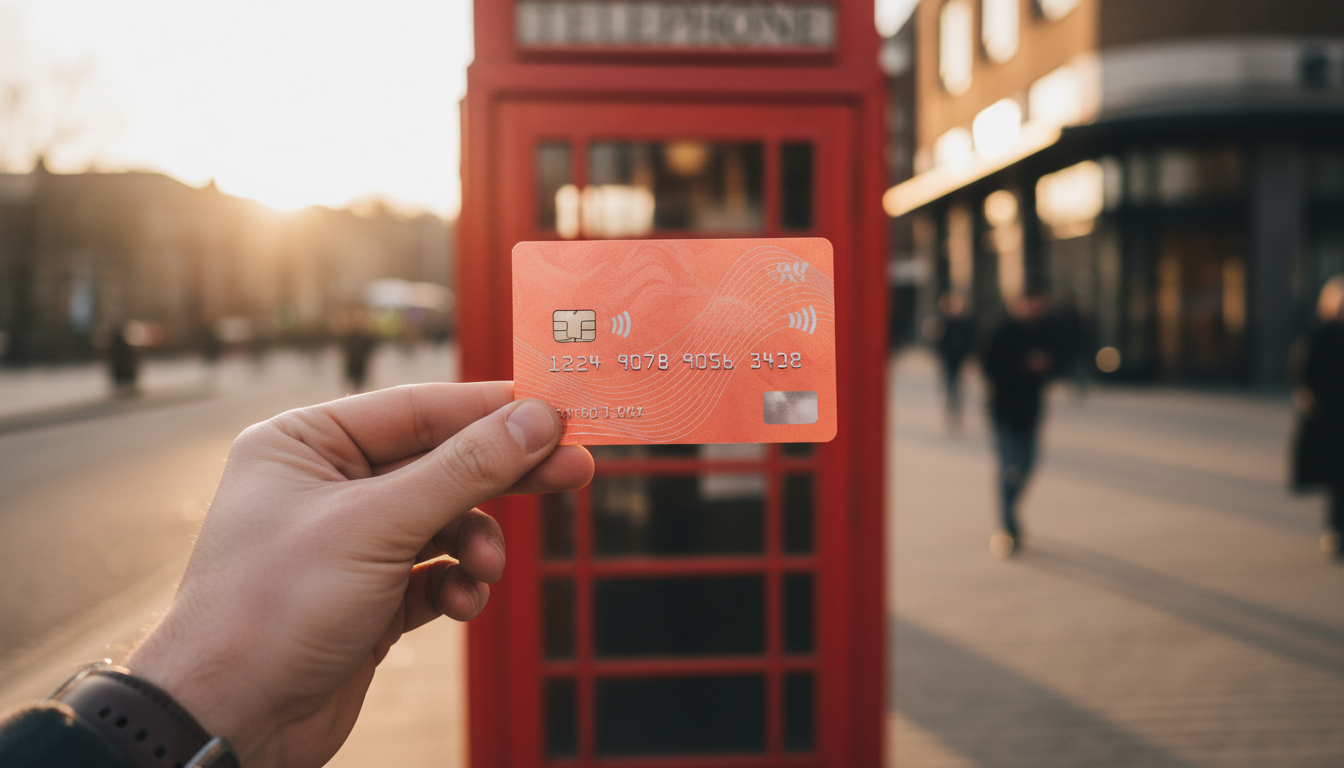
Monzo is the ‘cool kid’ of the UK banking world. With its iconic ‘hot coral’ cards, it’s ubiquitous in London. Like Starling, it’s a full bank and offers a great app experience. Monzo’s ‘Pots’ feature is brilliant for budgeting your new UK salary, and they offer a ‘Current Account Switch Service’ if you ever decide to move your finances around later.
2. The International Specialist: Revolut
Now, a quick disclaimer: Revolut isn’t technically a bank in the UK yet (they operate under an e-money license), but for many expats, it’s the first thing they download. Why? Because Revolut is the king of multi-currency.
If you’re still moving money back and forth between your home country and the UK, Revolut’s exchange rates are usually much better than what a traditional bank would offer. You can hold dozens of currencies in one app, which is a lifesaver if you’re still paying off a student loan back home or saving for a trip to the EU. Just keep in mind that because it’s not a full bank yet, it lacks that FSCS protection—so maybe don’t keep your entire life savings there just yet.
3. The ‘Big Four’ Traditional Banks: HSBC, Barclays, Lloyds, and NatWest
Sometimes, you just want a physical branch you can walk into and glare at someone if your card stops working. If you prefer the traditional route, HSBC is often the top choice for expats.
Because HSBC is a global beast, they have a ‘Global Money Account’ and specialized services for people moving to the UK. In some cases, you can even open an HSBC UK account from your home country before you even board the plane. This is a massive advantage because you’ll arrive with a working debit card.
Barclays and Lloyds are also solid choices. They’ve improved their digital game significantly, and they offer ‘Basic Bank Accounts’ specifically designed for people who are new to the country and might have a thin credit history. They’re less ‘flashy’ than the digital banks, but they are reliable and have ATMs on almost every high street.

4. Wise (Formerly TransferWise)
If you aren’t quite ready for a full UK bank account but need a way to receive GBP (Pounds Sterling) without getting fleeced on fees, Wise is an essential tool. They give you local UK account details (an account number and sort code) as if you were a local. It’s perfect for freelancers or people working remotely for UK companies while they transition into their new life. It’s not a ‘bank’ in the traditional sense, but for international money movement, it is the gold standard for transparency and low fees.
What You’ll Need to Apply
Regardless of which bank you choose, you’ll generally need a few key items:
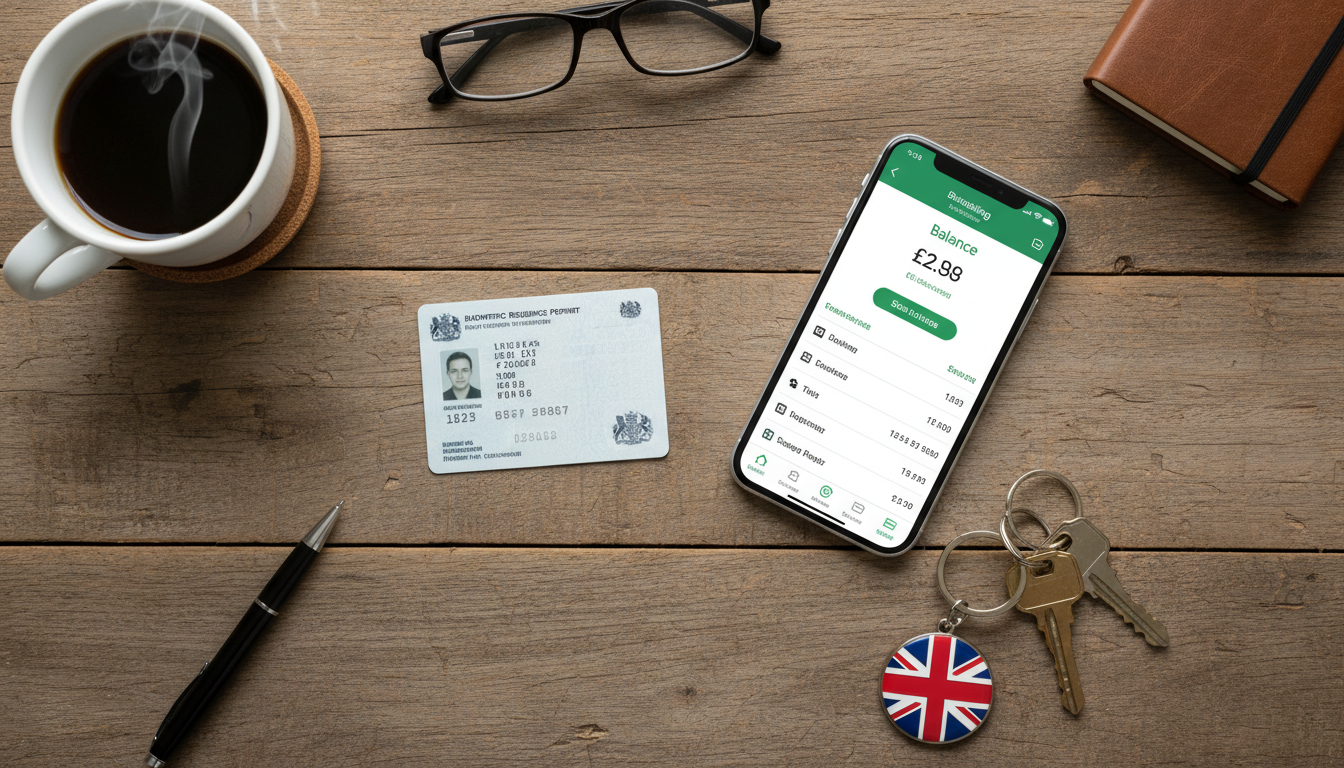
1. Proof of Identity: Your passport or Biometric Residence Permit (BRP).
2. Proof of Address: This is the tricky one. If you don’t have a utility bill yet, some banks (like Monzo or Starling) may accept a letter from your employer or a university enrollment letter.
3. A UK Phone Number: Most digital banks require a UK number to send you verification codes.
The Verdict: Which one should you pick?
If I were moving to the UK tomorrow, here is my strategy:
- The ‘Day 1’ Setup: Download Revolut or Wise before you leave or as soon as you land. This gives you a way to spend money instantly without your home bank charging you ‘foreign transaction fees’ that add up faster than a London Uber fare.
- The Main Account: Apply for Starling Bank as soon as you have a fixed UK address. It’s the best all-rounder, the app is flawless, and your money is safe.
The Mortgage Path: If you plan on staying in the UK long-term and eventually buying a house, opening an account with a traditional giant like HSBC or Barclays can help build a ‘relationship’ with the bank, which might* (though not always) help with credit applications down the line.
Moving to a new country is stressful enough. Don’t let banking be the thing that keeps you up at night. Pick a digital-first option to get started, keep an eye on those international transfer fees, and you’ll be tapping your card for a pint at the local pub in no time. Cheers to your new adventure!